Roots and Wings: My Advice to Rural Students Graduating from College
My Advice to Rural Students Graduating from College
It has been a while since I have had the chance to spend real time with college students. Over the past few months, that changed. Through my fellowship at the Harvard Graduate School of Education, I have been in conversation with rural students from across the nation reflecting on their rural identity and on their paths forward.
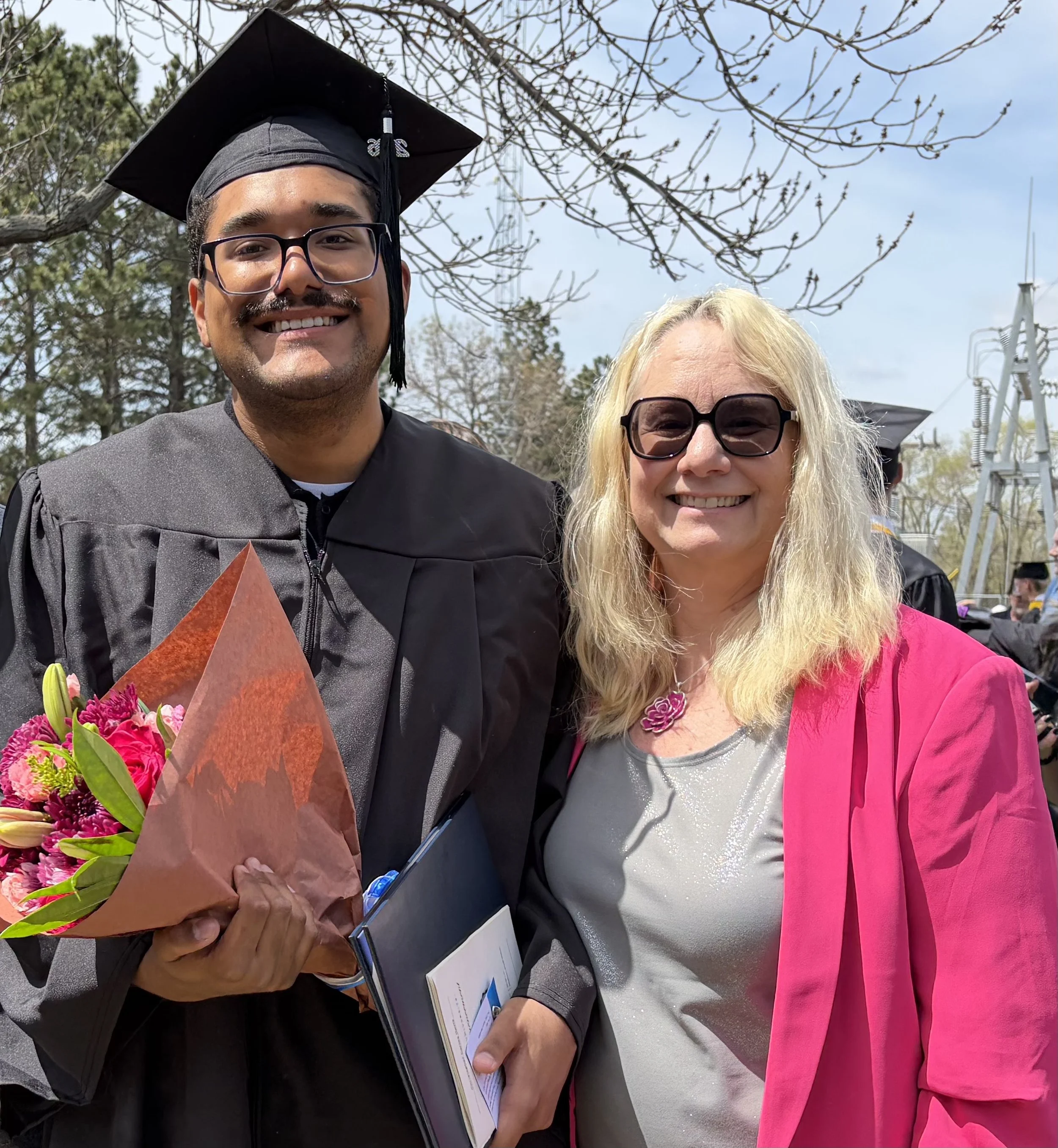
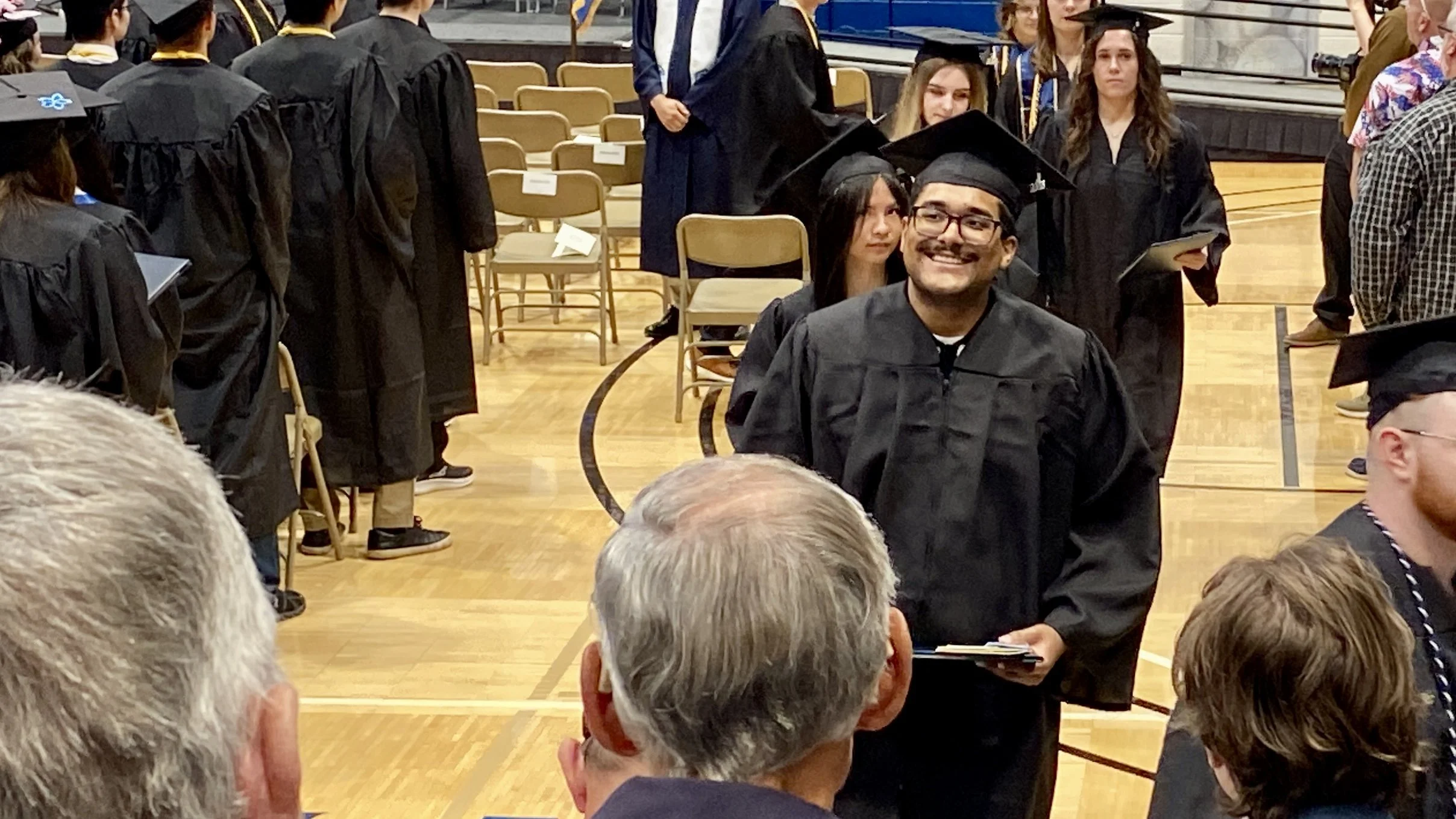
At the same time, I have had a front row seat to college graduation as Christopher, my youngest son, prepared to graduate from Dakota State University. Listening to rural students at Harvard while also watching my own son prepare to graduate reminded me how much pressure rural young people carry.
That led me to this message: my advice to rural students graduating from college.
1. Navigating “The Question”
From the time many rural students are seniors in high school, they are asked the question:
Are you coming home, or are you leaving?
By college graduation, the question often grows louder. At times, it can feel like where you live matters more than who you become. What strikes me is that we rarely ask this question of young people from non-rural places. We rarely ask graduates from cities whether they are returning to. You do not have to carry that burden.
Instead of asking, ‘Am I staying or leaving?’ what if we reframed The Question to: ‘How will I build a path toward opportunity, purpose, belonging, and happiness?’Place should not limit your possibility.
You deserve real choice about the life you want to build. Rural young people carry enormous talent, resilience, and rural brilliance into the world. Your roots are not erased when you leave. And your wings are not limited when you stay.
Go where you can grow.
Build a life with opportunity, choice, and belonging. Stay connected to the people and places that shaped you.
Some of you will return home. Some of you will build a life somewhere new. Some of you will leave and come back many times. All of those are strong choices as long as they are your choice.
2. Your First Step Toward Your Calling
I did not start where I am today.
After college, I went to law school and practiced law. It gave me valuable skills, but it was not ultimately the work I was meant to do. That realization led me back to Appalachian Kentucky to begin the work that became Partners for Rural Impact.
I have watched similar journeys unfold in my own family. My oldest son, Malcolm, left Appalachia for college and later moved to a large city to serve. His path took him away before it brought him back home. Along the way, he found greater clarity about his calling and eventually founded the Affrilachian Arts Institute.
Your next step does not determine your entire future. Your path will likely be winding. Mine certainly was. Changing your mind, growing out of a decision or ending up somewhere entirely different is normal and is more a sign of growth than of failure. Each experience teaches you something about the work that is yours to do.
Explore. Try something. Learn what fits and what does not.
Give yourself permission to grow into your calling.
3. The Importance of Giving Back
Whatever path you choose — whether you stay, leave, or move back and forth between places — find a way to give back to the community that shaped you.
You can leave your hometown and remain deeply connected to it.
I think of Tyronn Lue, who grew up in a small rural town in Missouri and continues to invest in and be a champion for his community. I think of Jacob Hannah, who grew up in West Virginia and now leads Coalfield Development, helping create new pathways to opportunity in the same communities that shaped him.
Different paths. Same commitment to place.
Rural communities do not only need people who stay. They also need people who carry their love for home into boardrooms, classrooms, and every space where decisions are made.
4. Tell Your Rural Story
Wherever you go, tell your rural story.
Talk honestly about where you come from. Share both the beauty and the complexity of rural America. Do not allow others to reduce your rural place to a stereotype — and do not reduce it yourself either.
Rural places are not one thing.
They hold beauty and struggle, deep connection and real challenges, tradition and change.
Tell the fuller story. The nation needs a more honest understanding of rural people and rural places. As you graduate, celebrate your success and your rural brilliance by sharing your story with confidence.
Final Thought
My request to you is the same request I have for Christopher. Honor your roots. Remember the people and places that shaped you. Embrace your wings. Welcome the opportunity to build a life of your choosing. Go where you can grow.